


Sanitary Ware


Sanitary Ware – Types, Selection Tips, and Popular Options
Sanitary ware plays an essential role in every bathroom and toilet, including toilets, washbasins, showers, faucets, and various accessories. These products not only support daily hygiene needs but also influence user comfort and the overall aesthetics of the space. As a result, homeowners often prioritize durability, design, and long-term convenience rather than focusing solely on price or appearance. Choosing premium sanitary ware that enhances user experience while maintaining a cohesive design has become a key consideration for modern bathrooms.
Key Takeaways
- Sanitary ware significantly impacts the overall user experience in bathrooms and toilets.
- Materials, design, and technology directly affect durability and convenience.
- Different types of sanitary ware are suitable for different spaces and usage requirements.
- For long-term residential use or premium projects, investing in high-quality products can reduce maintenance costs over time.
Important Factors to Consider When Choosing Sanitary Ware
One factor that is often overlooked when selecting sanitary ware is the product’s design and structure. Minimalist designs tend to reduce dirt accumulation and make cleaning easier, while more intricate designs may look attractive but require greater maintenance over time.
In addition, size and material make a significant difference. Products made from premium ceramic, rust-resistant metals, or water-resistant materials generally offer better durability. Proper sizing is equally important, as sanitary ware should fit the bathroom layout to ensure comfortable use and compliance with installation standards.

Sanitary ware made from premium ceramic and corrosion-resistant metals typically provides superior durability.
Popular Sanitary Ware Options Today
Compact Designs – Optimizing Small Spaces
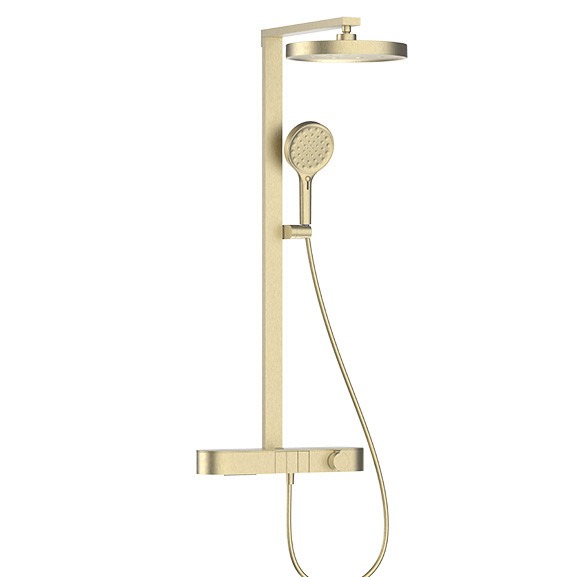
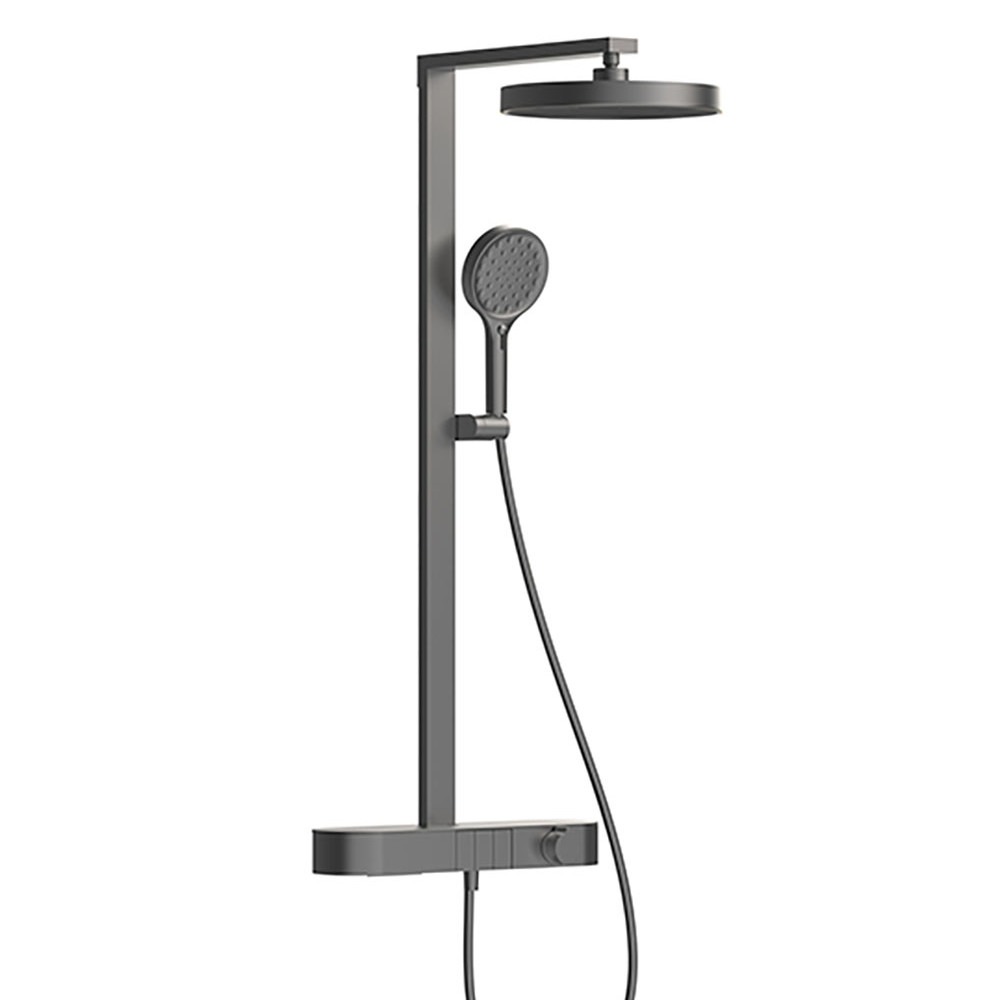
Space-saving products such as wall-hung toilets, wall-mounted washbasins, and simple shower systems are ideal for bathrooms with limited floor space.

Wall-hung toilets are commonly used in compact bathroom layouts.
Premium Designs – Prioritizing User Experience
High-end sanitary ware often incorporates advanced technology, superior materials, and elegant designs, making it well suited for luxury apartments, villas, and upscale residences.
Simple Designs – Easy Maintenance and Replacement
Traditional sanitary ware with straightforward structures allows for easier replacement of components and is often preferred for commercial projects, rental properties, or buildings requiring practical maintenance solutions.

Traditional sanitary ware is easier to maintain and repair thanks to its simple construction.
How to Choose Sanitary Ware Based on Actual Needs
For small bathrooms, prioritize compact and easy-to-clean products that maximize available space.
For larger households, durability and reliable performance should be the primary considerations. High-quality products can minimize breakdowns and reduce repair costs over time.
For commercial projects such as hotels, restaurants, or rental apartments, sanitary ware should meet technical standards and allow for convenient replacement when necessary.
For long-term residential use, it is advisable to prioritize comfort, functionality, and durability rather than making decisions based solely on appearance or price.

Compact sanitary ware solutions are often the best choice for small bathroom spaces.
Should You Choose a Complete Sanitary Ware Collection or Buy Individual Pieces?
Selecting a coordinated sanitary ware collection can create a more harmonious and consistent bathroom design. This is particularly beneficial for modern interiors where visual coherence is important.
However, purchasing individual products can also be a practical option, provided they integrate well with the existing space. The key is ensuring compatibility in terms of dimensions, installation standards, and overall design style.
Poorly matched fixtures may result in an inconsistent appearance and can create maintenance challenges in the future, especially when accessories follow different installation specifications.
View more
Show less


